
The First
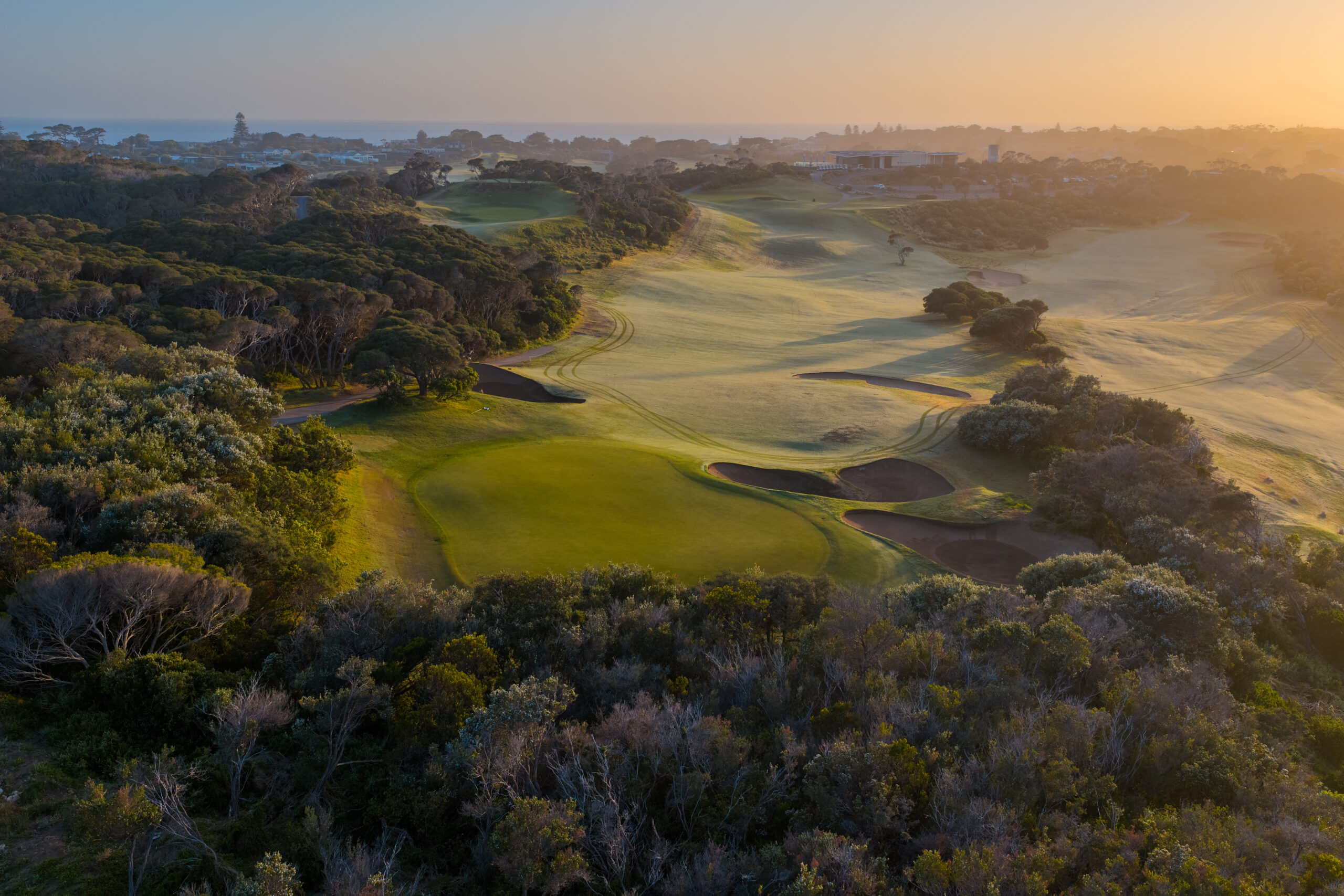
Few holes have played over the same piece of ground and changed as much as what’s now Portsea’s opener.
The early 1970s version was the dogleg left par 4 6th hole, played to a green just over what’s now the fairway bunker short and left of the green.
Bruce Grant moved the green back and made it a par 5 and later cleared the tee shot of trees, recontoured the fairway and added fairway bunkers at the bottom of the hill. The great American architect A. W. Tillinghast might have described the multitude of changes to the hole as “having some sense knocked into it so it could hold its head up in polite society”.
Moving the clubhouse made necessary another major change, and while something was lost, the across-the-valley tee shot followed by the uphill pitch is a perfect beginning to the round. It epitomises a hole that Harry Colt would have thought qualified as a “gentle handshake” to begin the round. It’s not a hole likely to ruin your round straight off, but many under-hit the approach up the hill by a metre or two and watch it sweep back down the slope that perfectly defends the green.
The Second
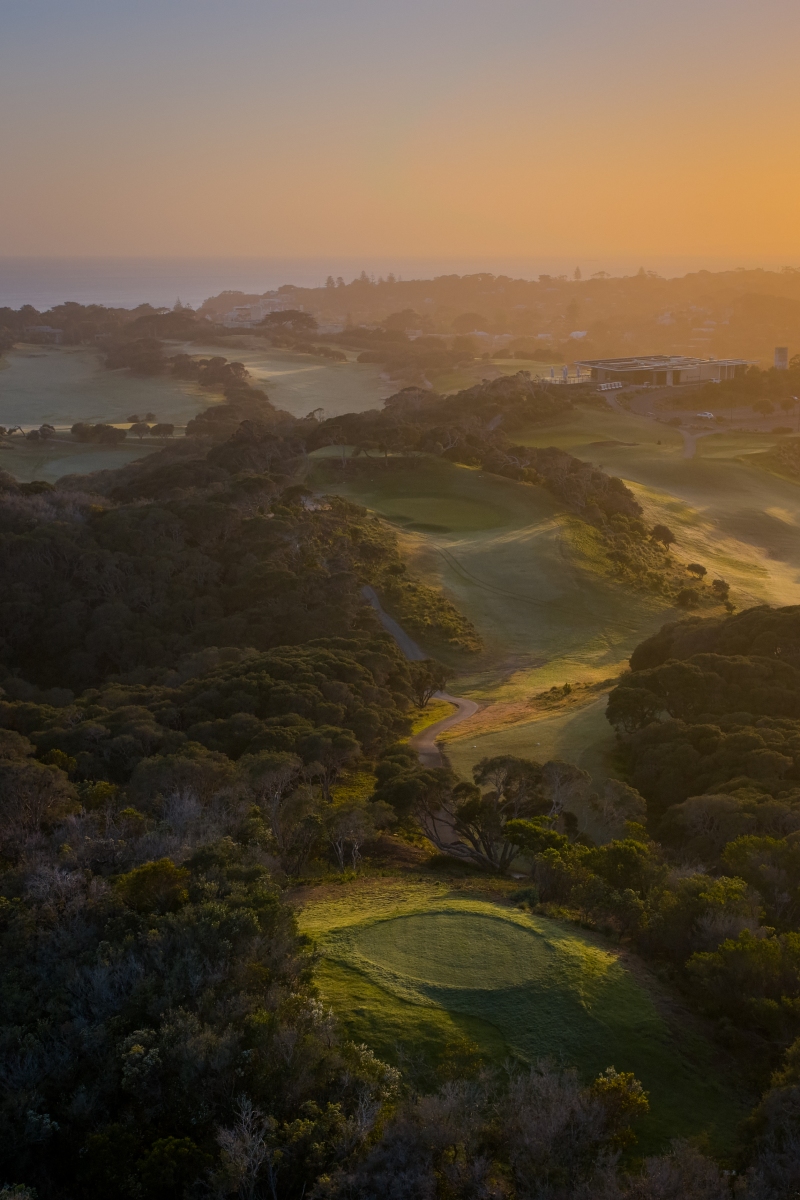
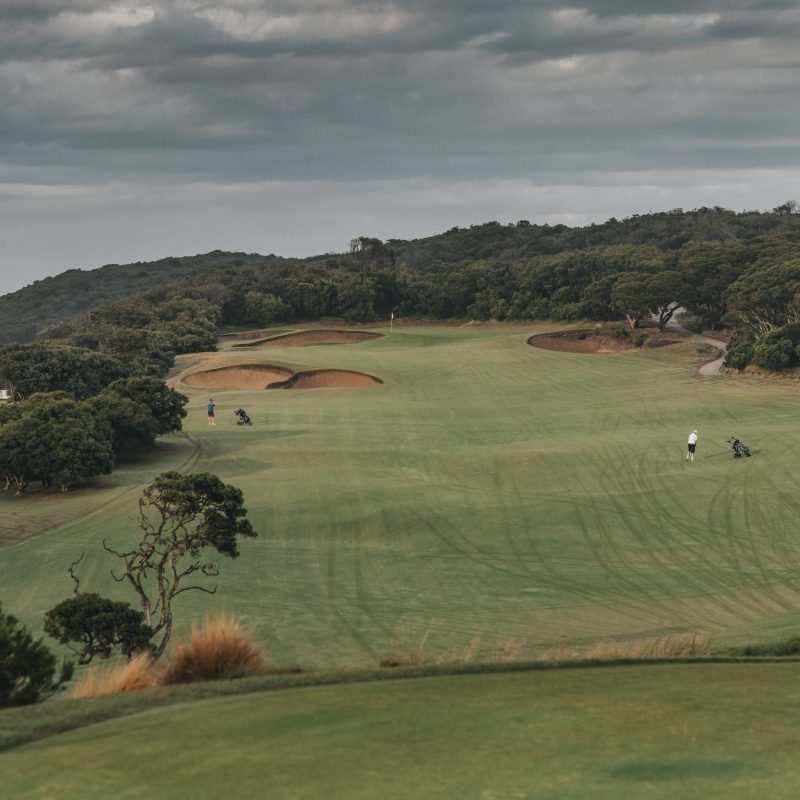
Everybody loves a fun, but not necessarily onerous short hole. This one, playing downhill into a punchbowl green, is a perfect example of a hole that’s manageable for most, but with a green small enough and tipped steeply enough from back to front to make it worthwhile to leave the ball under the hole.
It’s been essentially unaltered for more than half a century, testament to Sloan Morpeth’s skill in finding a perfect yet simple green site and seemingly just mowing it out. Unusual too is the “grass bunker” at the front left of the green. The Melbourne Sandbelt is famed for short-to-medium length par 3s surrounded by fearsome bunkers, but here is an example of employing something different. That no-one has been tempted to turn it into a bunker is testament to its effectiveness.
The Third
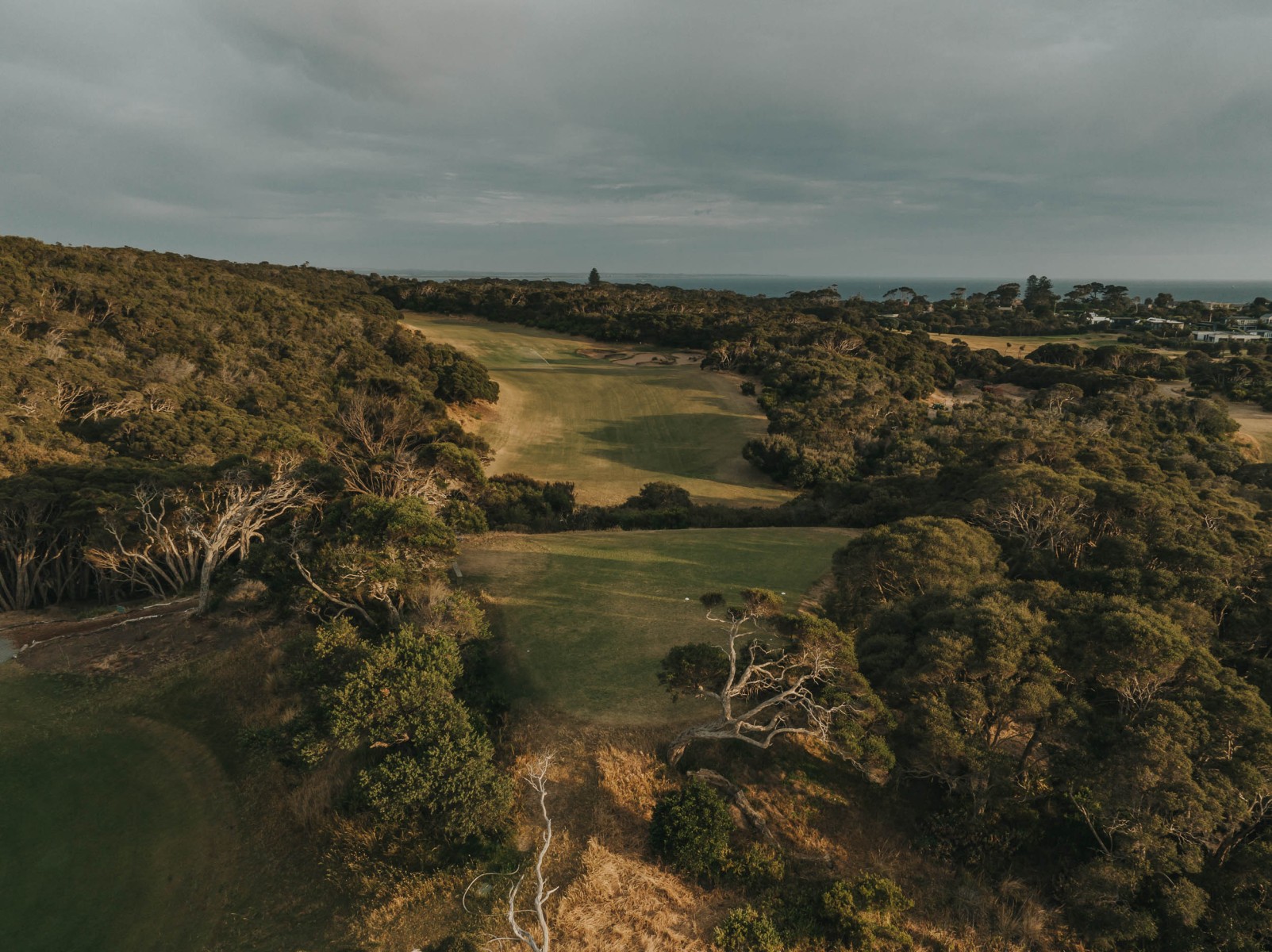
Some of the finest holes in the world are those on the borderline of par – neither par 4s nor par 5s. The Road Hole at St Andrews and Augusta’s 13th are the most famous examples, and closer to home the 12th on Royal Melbourne’s west course plays as a par 5 for members but a par 4 for pros.
The 3rd is clearly a “half-par hole” – a three-shotter for most, but for the longest hitters barely more than a driver and a middle iron. It works so well because the small green tipped steeply from high on the left to the far-right edge is both difficult and interesting to play a pitch shot, but demanding of a fine, longer second shot for those hoping to two-putt for a birdie four.
Bruce Grant rebuilt the drive bunkers in the early 1990s to make something noticeably more imposing than the originals.
The Fourth
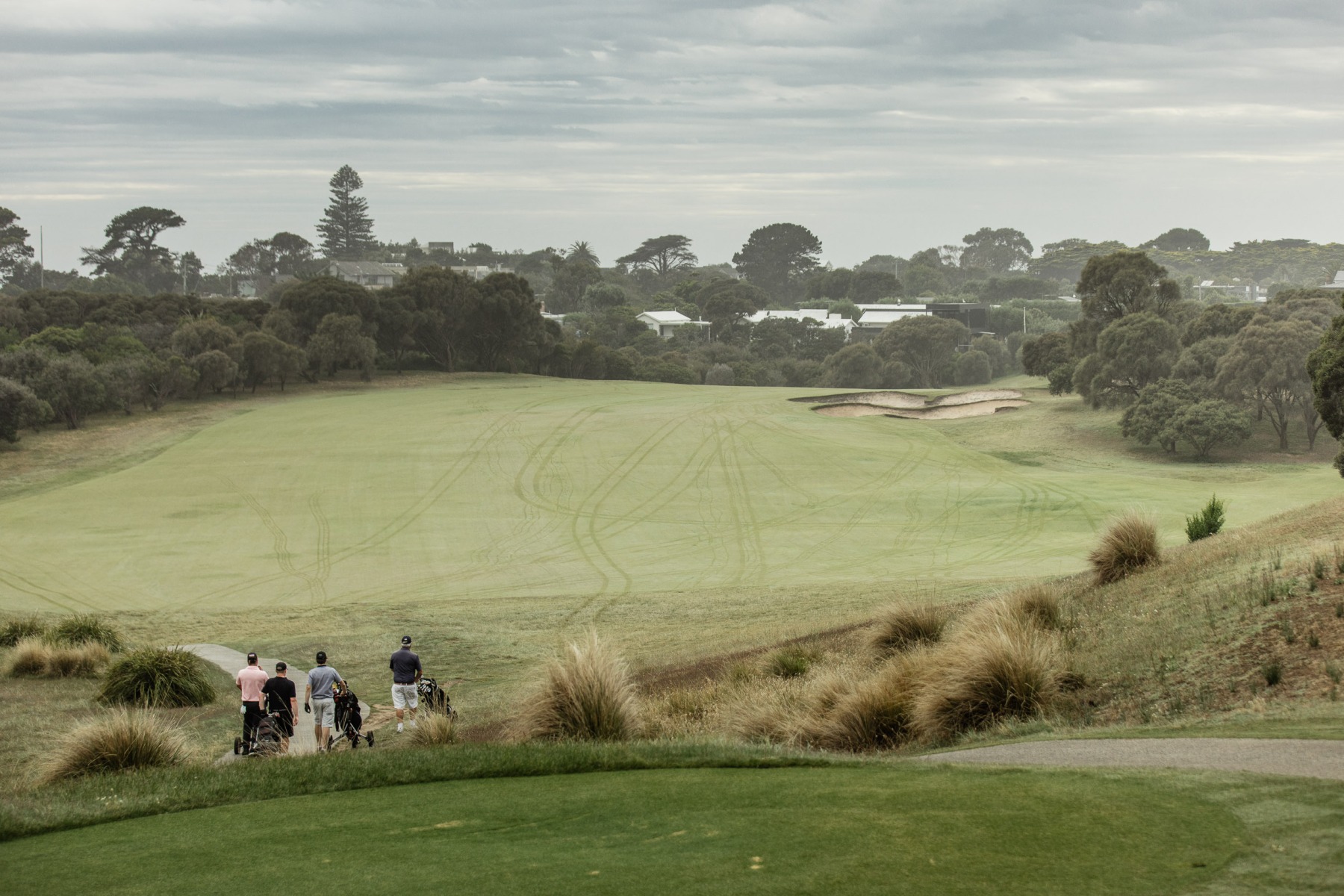
Unlike the almost unchanged 2nd hole, this one has altered significantly, to the point where it would be barely recognisable to someone coming back to Portsea after 40 years. The original hole had:
- the tee high and to the right, now planted out with the copse of Moonah trees.
- eucalypts between the fairway and the next (5th) green, which made the right third of the fairway blind from the tee.
- no fairway bunkers.
- a green 40 metres behind the current one.
In the late 1990s the tee moved back and to the left – to where Jack Howard the superintendent (the curator back in the day), had always wanted it but lost the argument to Sloan Morpeth. The trees were removed and the pair of fairway bunkers added. Moving the tee, cutting the encroaching trees and adding the bunkers added immeasurably to the quality of what is one of Portsea’s best par 4s.
The Fifth
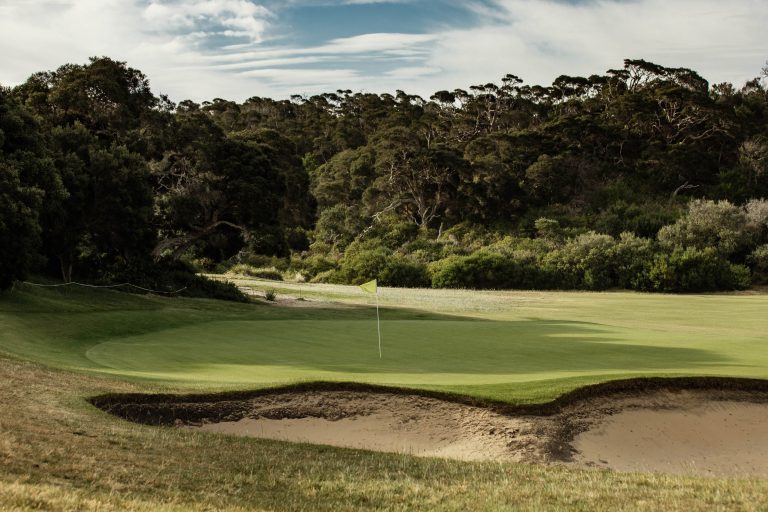
The 4th is a quite conventional par 4 playing over a perfect canvas for golf, but the pair of two-shotters that follow are anything but. It’s fair to say you won’t find too many holes around the world bearing much resemblance to either.
The 5th plays up a steep hill – one reshaped by Grant to stop short drives from rolling all the way down to the base of the hill – to a plateau and then down to a green guarded by a single bunker on the left and a steep, short-grass bank on the right. Short grass is one of golf’s great hazards, and here a marginally under-hit approach is swept far from the green, leaving an easy up and down in three for a bogey player but a confounding shot to get up and in to save a four.
The green is wide, shallow and steeply tips from back to front, so those hoping for an uphill putt need to challenge the bank at the front of the green.
The Sixth
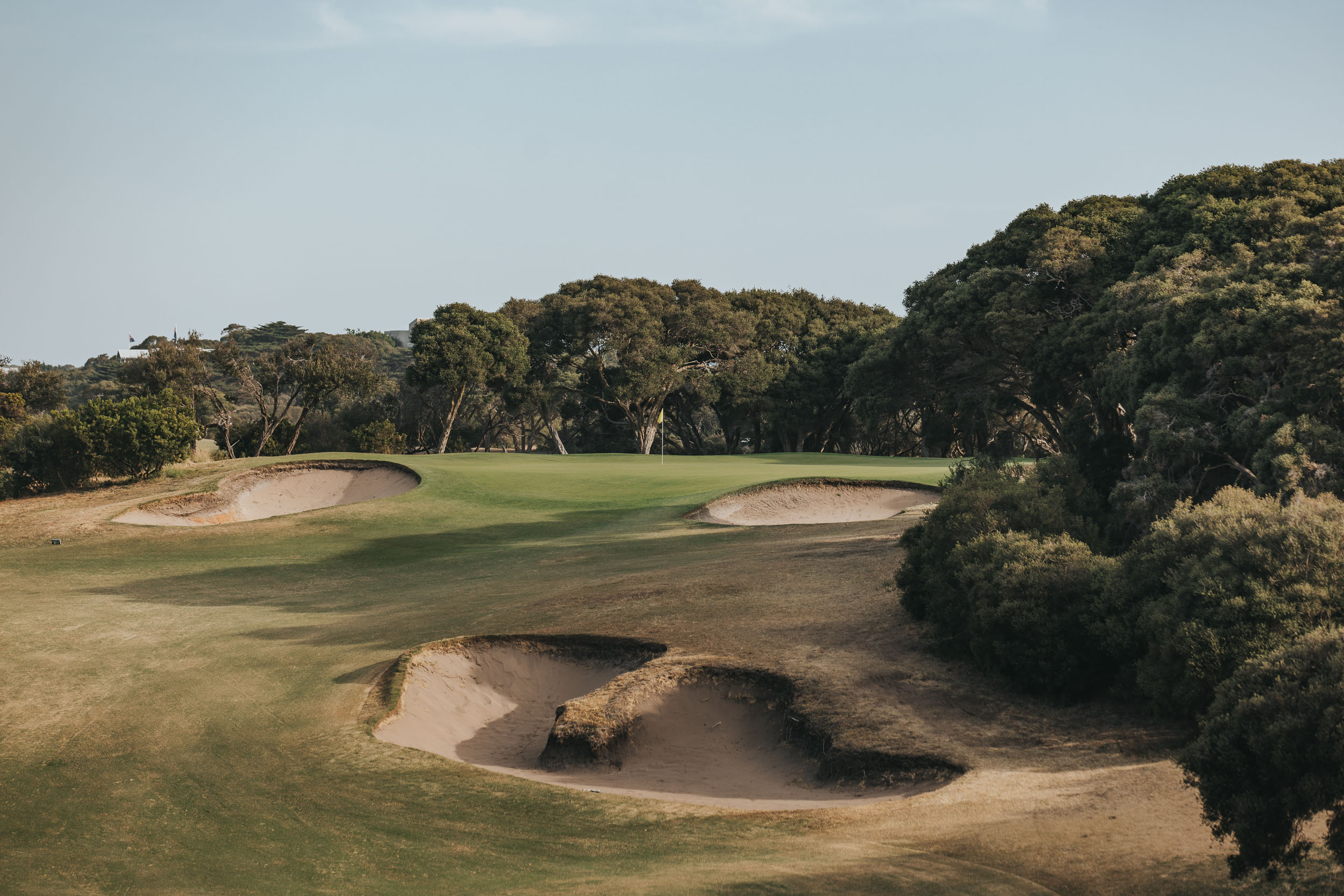
It’s funny how golfers complain about balls rolling back down the hill at the 5th hole but utterly fail to acknowledge what happens at the 6th, 9th, 12th, 14th and 18th where, once drives are over the hill, get an enormous amount of run down the other side – enough to leave them close to the drives of much longer hitters.
The green here was originally short and to the left of the “new” 1980s green higher up the hill, which made for a noticeably more difficult second shot up the hill, especially into the prevailing south-west wind.
The Seventh
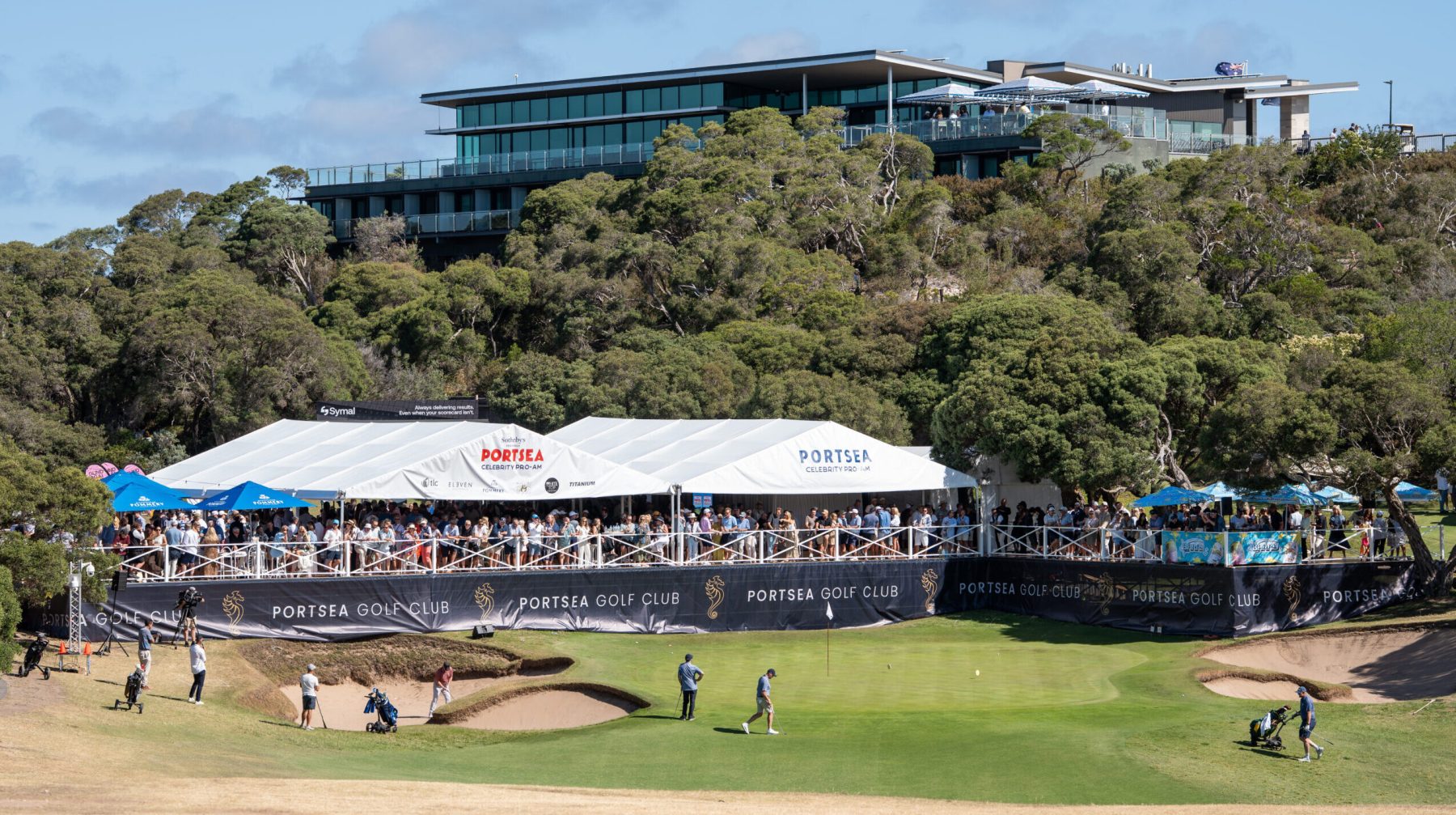
Short holes played from high tees, across a valley to greens on the other side are always popular, and here is one of the best in the country. The finest example is the 5th at Royal Melbourne. Portsea’s 7th is a fair approximation of one of Alister MacKenzie’s greatest holes.
The Royal Melbourne hole is on another level because all the ground from the front of the tee to the front of the green is visible from the tee, and this principle is the key to making an even better 7th hole. If you doubt it, just look from the women’s tee.
Generally, there are two sorts of par 3s – those with greens that no matter where the pin is cut you play the same shot, and those where the pin position entirely dictates the shot. The 7th is a form of the former – as are Royal Melbourne’s 5th and the 7th at Barnbougle. Portsea’s 13th is an example of the latter. Two of the best Victorian examples are the 11th at Yarra Yarra and the 16th on the east course at Royal Melbourne, both made by the great local architect Alex Russell.
The Eighth
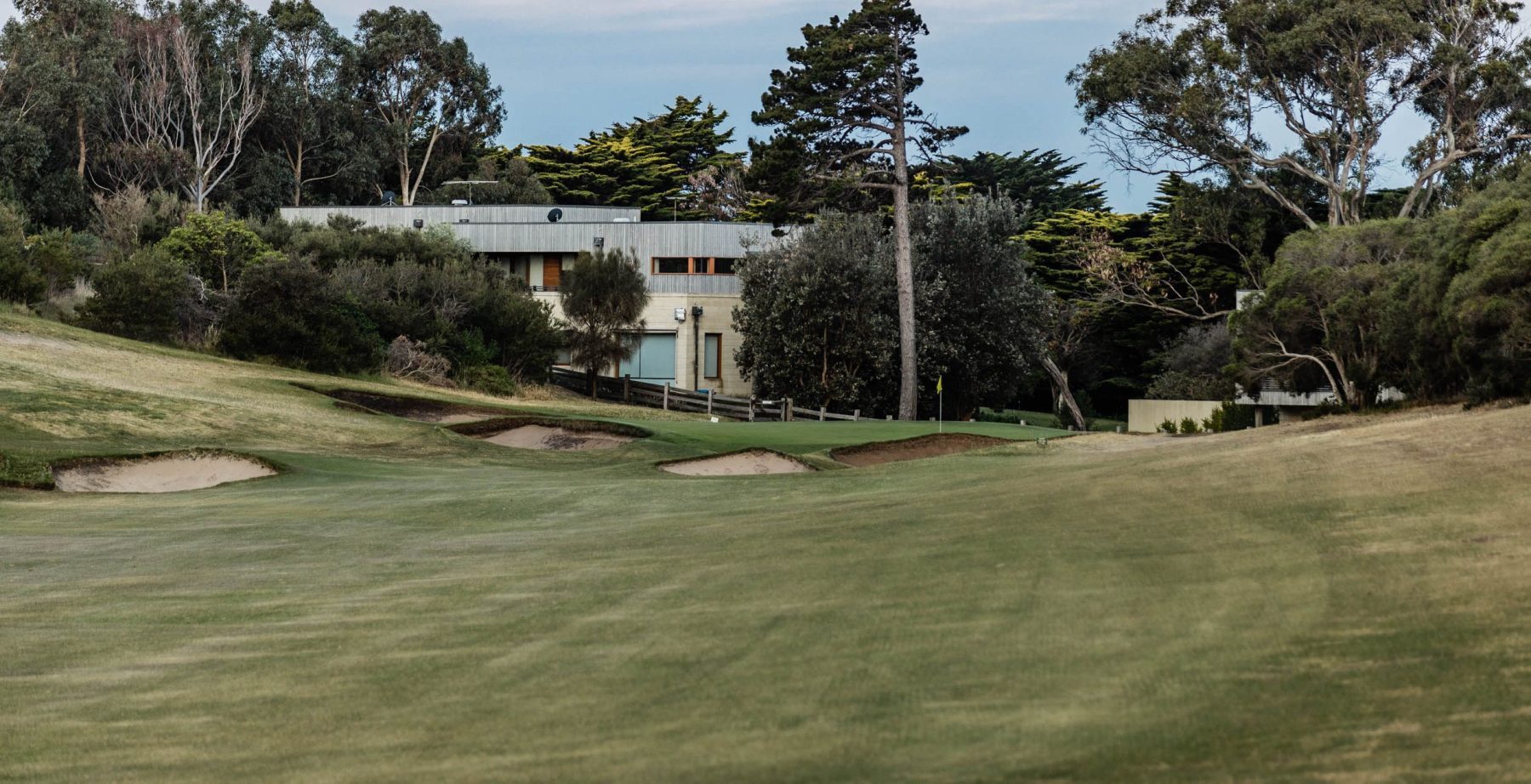
The biggest change to the game is the variation in distance between the longest hitters and the average player. Holes the length of this one have been affected the most, going from a long two-shot hole where even the best needed a couple of decent woods, to one where the longest are on with a drive and, at most, a middle iron.
It’s a pity but the green here is small, well-guarded by a deep greenside bunker on the left and a hollow cutting across the front and all the way down the right side of the green. It makes for an interesting short third shot, as well as an extraordinarily demanding second shot with a middle iron.
The biggest change to the hole came over a few beers in the old clubhouse around the turn of the century. Then Superintendent Bruce Grant, was a fan of indigenous Moonah trees and had an equally unfavourable view of trees imported onto the land and with no relevance to it. The entire right side of the hole was lined with Golden Cypress trees, for which, it’s fair to say, Bruce had absolutely no affection.
Life Member Taffy Richards was the captain at the time and a great supporter of Bruce’s work. After a few drinks he agreed that Bruce could remove the trees.Striking when the proverbial iron is hot is wise in situations resembling this one, and by the end of the week all but the three cypress trees closest to the tee were gone. They lasted a few more years, but the focus on a purely indigenous planting scheme has been a significant part of improving the look and feel of the entire golf course.
To play the hole now with both sides lined with the Moonahs that Bruce planted is testament to his foresight and wisdom. And to Taffy’s brave, committee-of-one decision.
The Ninth
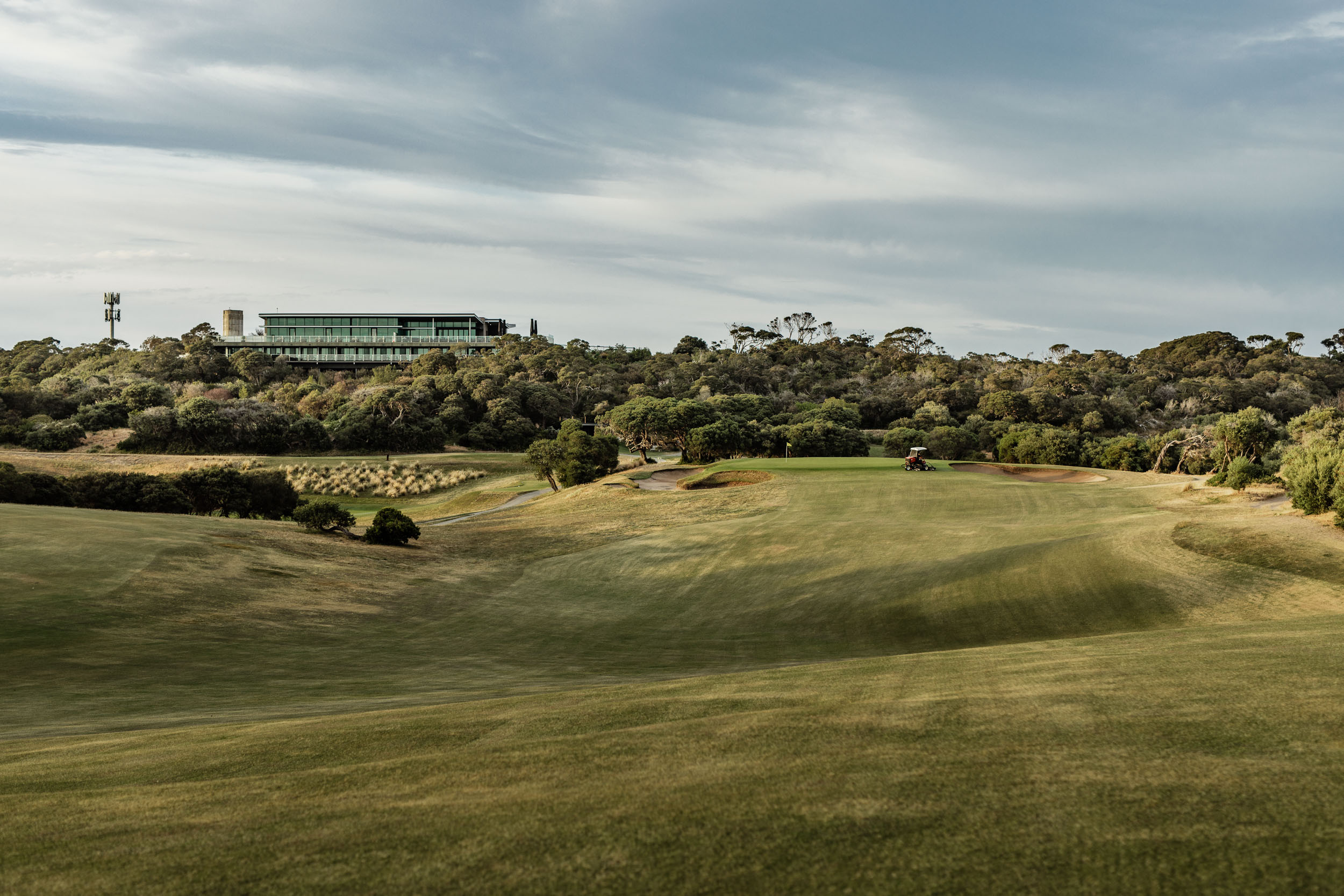
The original opening hole was noticeably improved in the late 1980s when Grant moved the tee back and to the right. The subsequent land sale meant moving the tee back closer to its original position, and while it’s a more awkward tee shot, removing the cypress trees down the left has helped. It’s another hole when most tee shots tumble all the way down to the low point of the hole and from there the short approach is steeply uphill to a green right on the high point of the dune.
It’s likely the pick of most as the “least good” hole on the course and improving it is a priority.